

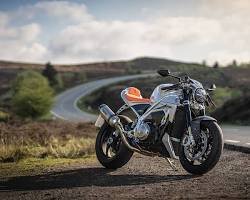
How Two Wheelers Have Entered a New Age
Motorcycles have changed dramatically over the last few decades. What once relied purely on mechanical engineering now blends advanced electronics, intelligent software, and innovative materials. Modern bikes are no longer just machines for transportation or thrill they are smart, efficient, and highly refined vehicles built for safety, comfort, and performance. This evolution is driven by rapid technological innovation that continues to reshape how riders experience the road.
From Mechanical Simplicity to Smart Machines
Earlier motorcycles focused mainly on engine displacement and raw power. Today, innovation centers on balance, efficiency, and rider assistance. Electronic systems now manage throttle response, braking, suspension, and even riding behavior. This shift has made motorcycles easier to control while also unlocking higher levels of performance.
The Rise of Electronic Control Systems
Electronic control units act as the brain of modern motorcycles. These systems process data from multiple sensors and adjust engine performance in real time. Ride modes, traction control, and engine mapping allow riders to adapt their bikes to city streets, highways, or challenging terrain with the push of a button.
Throttle Technology and Precision Riding
Traditional cable throttles have largely been replaced by ride by wire systems. These electronic throttles translate rider input into precise engine responses. The result is smoother acceleration, improved fuel efficiency, and better control, especially in wet or slippery conditions.
Next Generation Engine Engineering
Internal combustion engines continue to evolve. Modern motorcycle engines produce more power with smaller displacements while meeting strict emission standards. Innovations such as variable valve timing, advanced cooling systems, and improved combustion chambers allow engines to run cleaner and more efficiently without sacrificing excitement.
Electric Powertrains Changing the Landscape
Electric motorcycles are redefining expectations. Instant torque, silent operation, and zero emissions make electric bikes appealing for urban commuting and beyond. Battery technology is improving rapidly, offering longer range, faster charging, and better durability. Electric power has moved from experimental to practical in a short time.
Battery Innovation and Energy Management
Lithium based batteries dominate the electric motorcycle segment, but advancements continue in energy density and safety. Smart battery management systems monitor temperature, charge cycles, and power delivery. These technologies extend battery life and ensure consistent performance over time.
Lightweight Design Through Advanced Materials
Reducing weight is a major focus of motorcycle innovation. Manufacturers now use aluminum frames, carbon fiber components, and high strength alloys to improve agility and fuel efficiency. Lighter bikes handle better, brake faster, and provide a more engaging riding experience.
Frame Geometry and Structural Evolution
Modern motorcycle frames are engineered using computer simulations and real world testing. Improved rigidity and optimized geometry enhance stability at high speeds while maintaining comfort at lower speeds. These advancements benefit riders across all segments.
Suspension Systems That Adapt to the Road
Suspension technology has progressed beyond basic springs and dampers. Adjustable and electronically controlled suspension systems adapt to road conditions in real time. This allows motorcycles to remain stable over rough surfaces while maintaining comfort on smooth highways.
Braking Systems Built for Confidence
Braking technology has become significantly more advanced. Anti lock braking systems are now standard on many motorcycles. Cornering ABS and electronically linked braking systems improve control during sudden stops and tight turns, reducing accident risks.
Traction Control and Stability Assistance
Traction control systems prevent wheel slip during acceleration. By monitoring wheel speed and throttle input, these systems adjust power delivery instantly. This technology enhances safety without reducing the excitement of riding.
Aerodynamics and Wind Management
Motorcycle design increasingly focuses on aerodynamics. Wind tunnel testing helps manufacturers shape fairings, windshields, and body panels to reduce drag. Improved aerodynamics enhance stability, fuel efficiency, and rider comfort at higher speeds.
Digital Instrument Clusters and Displays
Analog gauges have largely been replaced by digital displays. Modern dashboards show speed, navigation, fuel efficiency, riding modes, and system alerts. High resolution screens improve visibility in all lighting conditions and enhance the overall riding experience.
Connectivity Between Bike and Rider
Smart connectivity is becoming common in modern motorcycles. Bluetooth integration allows riders to connect smartphones for navigation, calls, and music. Mobile apps provide ride statistics, service reminders, and diagnostic information.
Navigation and Real Time Data
Built in navigation systems and app based guidance help riders plan routes efficiently. Real time traffic updates, charging station locations, and weather alerts make long rides more convenient and predictable.
Lighting Technology Enhancing Safety
LED lighting has transformed motorcycle visibility. Adaptive headlights adjust beam direction based on lean angle and speed. Daytime running lights increase visibility to other road users, reducing the risk of collisions.
Rider Comfort Through Ergonomic Design
Ergonomics play a crucial role in modern motorcycle design. Adjustable seats, handlebars, and foot pegs allow riders to customize their posture. Reduced vibration and improved cushioning make long rides less tiring.
Noise Reduction and Refinement
Advancements in exhaust design and engine balancing have reduced unwanted noise and vibration. Quieter engines improve comfort while still delivering an engaging sound that appeals to riders.
Sustainability and Eco Conscious Manufacturing
Motorcycle manufacturers are adopting sustainable practices. Recycled materials, efficient production methods, and reduced emissions reflect a growing commitment to environmental responsibility. Electric motorcycles further strengthen this shift toward sustainability.
Artificial Intelligence in Motorcycling
Artificial intelligence is slowly entering the motorcycle world. AI driven systems analyze riding patterns to offer performance optimization and safety alerts. Predictive maintenance tools use data to identify potential issues before they become serious problems.
Over the Air Software Updates
Software updates no longer require physical service visits. Over the air updates allow manufacturers to improve performance, fix bugs, and add features remotely. This keeps motorcycles up to date throughout their lifecycle.
Customization Through Modular Technology
Modern motorcycles are designed with customization in mind. Modular components make it easier to upgrade parts such as suspension, electronics, and accessories. Riders can personalize their bikes without compromising safety.
Entry Level Bikes With Advanced Features
Even beginner motorcycles now include modern technology. Fuel injection, ABS, digital displays, and lightweight frames make entry level bikes safer and more enjoyable for new riders.
Racing Technology Influencing Road Bikes
Motorsports play a vital role in innovation. Technologies tested on the track often find their way into production motorcycles. This includes advanced braking systems, aerodynamics, and performance electronics.
Charging Infrastructure and Future Readiness
The growth of electric motorcycles depends on charging infrastructure. Expansion of fast charging networks and battery swapping solutions is making electric bikes more practical for daily use and long distance travel.
Data Driven Performance Analysis
Modern motorcycles collect performance data that riders can analyze. Information on acceleration, braking, and fuel usage helps riders improve skills and optimize efficiency.
Safety Systems for Urban Riding
Urban focused innovations include blind spot detection, collision warnings, and traffic awareness systems. These features help riders navigate congested environments more safely.
Global Innovation Shaping Local Markets
Motorcycle technology is influenced by global trends. Developments in one region often spread worldwide, bringing advanced features to riders across different markets.
Affordability and Technology Balance
Manufacturers strive to balance innovation with affordability. As technology matures, advanced features become accessible across a wider range of motorcycles, benefiting more riders.
The Road Ahead for Motorcycle Innovation
Future motorcycles will continue to integrate intelligence, sustainability, and performance. Advances in batteries, materials, and software promise safer, cleaner, and more enjoyable riding experiences.
Why Staying Updated Matters for Riders
Understanding motorcycle technology helps riders make informed buying decisions. Awareness of innovations ensures riders choose bikes that match their needs and riding style.
Conclusion: A Smarter and Safer Riding Future
Bike technology and innovation have transformed motorcycling into a refined and intelligent experience. From smart electronics to electric power and advanced safety systems, modern motorcycles represent the perfect balance of excitement and responsibility. As technology continues to evolve, riders can look forward to a future where every journey is smoother, safer, and more connected.