

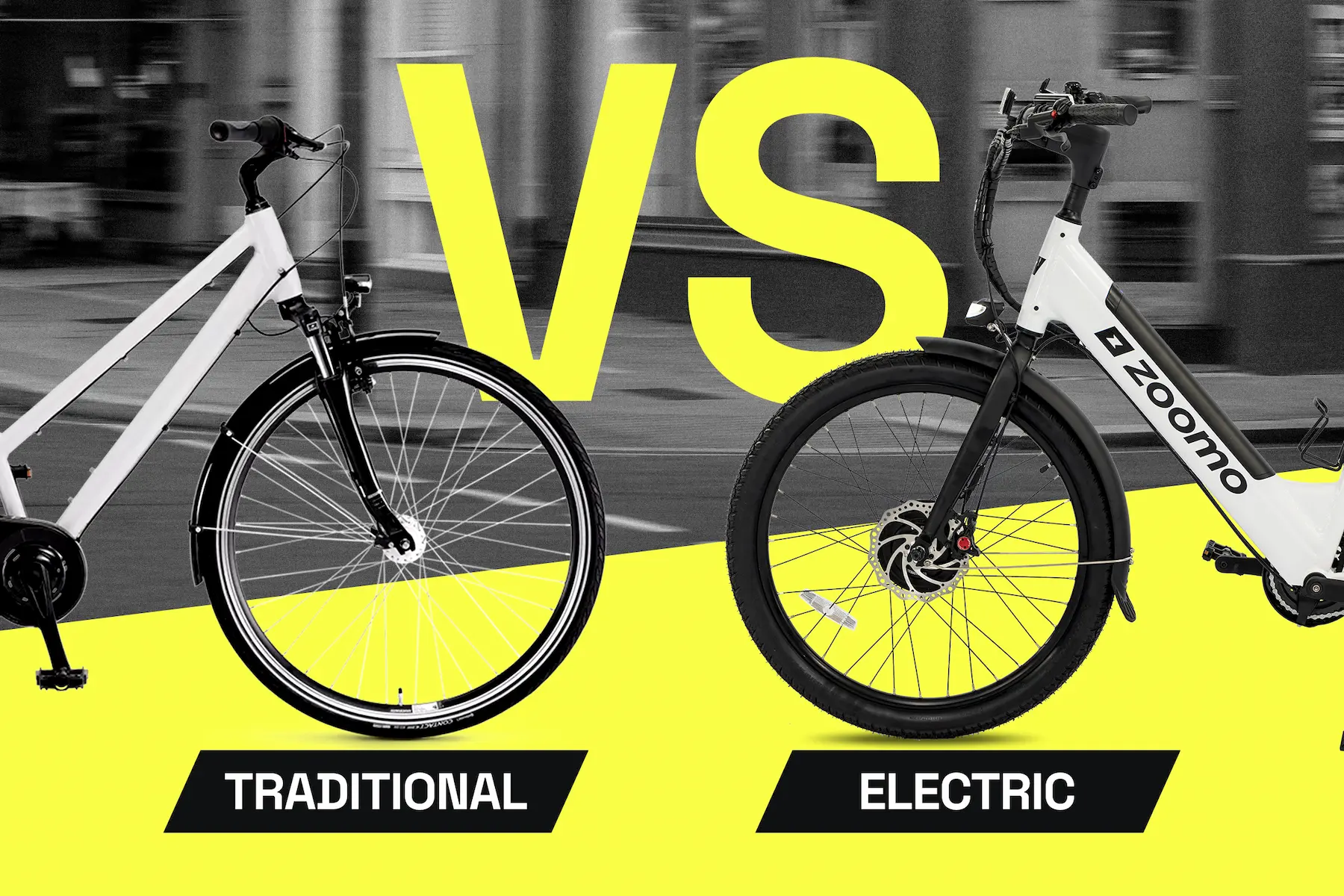
Two Wheels, Two Philosophies
The question of whether an electric bike is better than a regular bicycle has become one of the most passionate debates in modern transportation, sparking conversations among commuters, fitness enthusiasts, environmental advocates, and recreational riders alike. This is not merely a technical comparison of components and specifications but a fundamental exploration of what cycling means in the twenty-first century and how two-wheeled transportation can fit into increasingly complex and demanding lives. The traditional bicycle, refined over more than a century of innovation, represents purity of purpose, human power translated directly into forward motion through the elegant simplicity of chain, gears, and wheels. The electric bicycle, a relative newcomer that has exploded in popularity with sales quadrupling in the United States between 2018 and 2022 alone, adds a layer of technological assistance that transforms the cycling experience while preserving the essential character of riding . Neither option universally outperforms the other because their strengths align with different priorities, different bodies, different commutes, and different visions of what makes riding worthwhile. Understanding which bike is better for any individual requires examining the full spectrum of differences between these two approaches to cycling, from the purely practical considerations of speed and cost to the deeper questions of health, environmental impact, and the very experience of moving through the world on two wheels.
The Fundamental Difference in Power and Propulsion
At the most basic mechanical level, the distinction between electric and regular bicycles centers on the source of energy that turns the wheels and moves the rider forward through space. A traditional bicycle operates on human power alone, with every revolution of the cranks representing calories burned, muscles engaged, and the rider’s physiological capacity directly determining speed, acceleration, and the ability to conquer hills and headwinds. This simplicity has defined cycling since its invention, creating an intimate connection between effort and outcome that many riders find deeply satisfying and fundamentally different from any other form of transportation . The electric bicycle introduces a battery-powered motor that supplements human effort, providing assistance that ranges from a gentle nudge on hills to substantial power that dramatically reduces the physical demands of riding . Most e-bikes operate through pedal-assist systems, meaning the motor only engages when the rider pedals, amplifying human effort rather than replacing it entirely . This creates a hybrid experience where the rider remains an active participant while enjoying capabilities that extend far beyond what unaided human power could achieve. The legal framework governing e-bikes reflects this hybrid nature, with most jurisdictions defining an electric bicycle as a vehicle with a motor of no more than 250 to 750 watts depending on location, assistance that cuts out at speeds between 20 and 28 miles per hour, and requirements that the rider must be pedaling for the motor to engage in the most common classes of e-bikes . These regulations attempt to preserve the essential character of cycling while acknowledging the transformative potential of electric assistance.
Speed and Efficiency in Real-World Conditions
When actual travel time matters, whether for commuting to work, running errands, or completing a long weekend ride before dark, the speed advantages of electric bicycles become immediately apparent and practically significant. A typical rider on a traditional bicycle averages between ten and fifteen miles per hour over most routes, with speed varying considerably based on terrain, fitness, wind conditions, and how fresh the rider feels on any given day . An electric bicycle rider maintaining a similar level of perceived exertion can sustain twenty miles per hour or more, effectively doubling travel speed for the same subjective effort . Research from the Kennisinstituut voor Mobiliteitsbeleid in the Netherlands found that this speed advantage translates into time savings of three to five minutes for every five kilometers traveled, meaning a ten-mile commute that might take an hour on a traditional bike could be completed in forty minutes or less on an e-bike . This difference compounds over distance, with a fifteen-mile commute potentially saving fifteen to thirty minutes each direction, accumulating to dozens of hours over a year of regular riding . The consistency of e-bike travel time matters nearly as much as the absolute speed, because motor assistance smooths out the variables that make traditional cycling unpredictable. Headwinds that would slow a conventional rider to a crawl, hills that would require dropping into lowest gears and grinding upward, and the fatigue that accumulates over a long week all have significantly less impact on e-bike travel times, allowing riders to arrive at their destinations when expected rather than when their legs finally deliver them .
Conquering Terrain That Would Otherwise Limit Cycling
The relationship between terrain and cycling accessibility represents one of the most significant distinctions between electric and traditional bicycles, with hills serving as either a manageable challenge or an absolute barrier depending on which bike sits beneath the rider. For traditional cyclists, steep inclines demand substantial physical output, elevated heart rates, and often the humility of dismounting and walking when grades exceed what legs can deliver . This limitation effectively determines where people can ride, with many otherwise suitable routes becoming impractical or impossible due to the hills that interrupt them. Electric bicycles fundamentally alter this equation by providing assistance that makes climbing feel like riding on flat ground, transforming previously intimidating hills into manageable segments that no longer dictate route choices . Research on hilly Australian cities including Brisbane and Sydney has demonstrated that e-bikes open up routes that conventional cyclists avoid, connecting neighborhoods and destinations that topography would otherwise separate . The physical experience of climbing with electric assistance differs from conventional climbing, with riders still working and still generating power but without the oxygen debt and muscle burn that traditionally accompanies steep grades . A study published in the scientific journal Retos found that on steep climbs, even with electric help, rider effort approached functional threshold levels, indicating that e-bikes do not eliminate work but rather make it sustainable and enjoyable rather than exhausting and discouraging . For riders living in hilly areas, this difference often determines whether cycling becomes a viable daily transportation option or remains a weekend recreation reserved for carefully chosen flat routes.
The Health and Fitness Equation
The assumption that traditional bicycles provide superior fitness benefits while e-bikes somehow cheat riders of exercise has been thoroughly examined by research, and the findings reveal a more nuanced picture than simple intuition might suggest. Traditional cycling undoubtedly delivers intense workouts when riders push themselves, with cardiovascular demand, calorie burn, and muscular engagement all reaching levels that contribute significantly to fitness and health . However, research increasingly shows that e-bike riders often accumulate more total physical activity than conventional cyclists because they ride more frequently, cover longer distances, and replace more car trips with bike trips . A study published in PLoS ONE found that e-bike users still burn twenty to thirty percent more calories than non-cyclists, demonstrating meaningful health contributions even with motor assistance . The key insight from multiple studies is that fitness benefits depend on consistency and total volume rather than intensity alone, and e-bikes excel at enabling regular riding by removing the barriers of exhaustion, sweat, and recovery time that limit how often people ride conventional bikes . Research on real mountain bike routes comparing e-MTBs to conventional mountain bikes found that in moderate assistance modes providing around sixty percent pedal assistance, riders reached moderate to vigorous exercise intensities comparable to conventional mountain biking, with heart rates and power outputs that met international physical activity guidelines . This suggests that e-bikes, when used thoughtfully rather than always relying on maximum assistance, can deliver genuine workout benefits while making riding accessible to populations that conventional cycling excludes.
The Accessibility Revolution
Perhaps the most profound impact of electric bicycles lies in their ability to make cycling accessible to populations that conventional bicycles effectively exclude, democratizing two-wheeled transportation in ways that have significant social and personal implications. Older adults who might have assumed their cycling days were behind them find that e-bikes allow continued riding without the joint pain, breathlessness, and recovery concerns that made conventional cycling increasingly difficult . Individuals recovering from injuries or managing chronic conditions that limit exercise tolerance discover that electric assistance provides a controlled way to rebuild fitness without overwhelming their capacity . People who never developed cycling confidence or fitness find that e-bikes offer an entry point that feels achievable rather than intimidating, potentially starting them on a path to greater physical activity and transportation independence . The reduced joint compression with electric assistance proves particularly valuable for riders with arthritis, knee issues, or other orthopedic concerns that make the high forces of conventional cycling painful or inadvisable . Pregnant individuals, people with balance concerns, and those returning to cycling after decades away all find that e-bikes lower the barriers to participation . This accessibility revolution extends to group riding situations where e-bikes allow riders of different fitness levels to enjoy time together, with slower riders keeping up through assistance rather than holding others back or pushing beyond their comfortable capacity . The health implications extend beyond direct exercise benefits to include the social connections, outdoor time, and mental health advantages that come with regular cycling, all of which e-bikes make available to broader populations.
The Cost Analysis Across Time
The financial comparison between electric and traditional bicycles extends far beyond the obvious difference in purchase prices, encompassing operating costs, maintenance requirements, and the value of transportation services each bike provides over its lifetime. Traditional bicycles offer clear advantages in upfront cost, with quality options available across a wide price spectrum and entry-level models accessible for relatively modest investments . Their simplicity translates to minimal ongoing expenses, with routine maintenance limited to chain lubrication, brake adjustments, and occasional cable replacements that most riders can handle themselves or have completed inexpensively at local shops . Electric bicycles require substantially higher initial investments, with quality e-bikes typically ranging from fifteen hundred to three thousand five hundred dollars or more depending on components and capabilities . This premium purchases the motor, battery, and control systems that enable electric assistance, components that add complexity and eventual replacement costs. Batteries typically last three to five years depending on usage and care, with replacement representing a significant but predictable expense . However, the total cost picture shifts when e-bikes successfully replace car trips, with savings on fuel, parking, insurance, and vehicle maintenance potentially offsetting the higher purchase price over time . Research from MilieuCentraal in 2024 estimated that replacing short car journeys with e-bike trips saves an average of one hundred fifty kilograms of carbon dioxide annually while also saving the direct costs of driving . For commuters facing parking fees, tolls, or the expense of a second car, the financial case for e-bikes becomes even stronger, with the bike potentially paying for itself within a few years through avoided transportation costs .
Weight and Handling Characteristics
The physical experience of riding differs significantly between electric and traditional bicycles due to the substantial weight difference created by motors and batteries, affecting everything from how bikes feel during normal riding to how they must be stored and transported. A typical conventional road or hybrid bike weighs between twenty and twenty-five pounds, light enough to lift onto racks, carry up stairs, and maneuver easily when walking alongside . High-end racing bikes weigh considerably less, while sturdy commuter models may approach the upper end of this range. Electric bicycles average approximately fifty pounds, more than double the weight of conventional bikes, with some cargo models and e-bikes with large batteries weighing considerably more . This additional mass affects handling, making e-bikes feel more planted and stable at speed but less nimble during low-speed maneuvers and much more challenging to lift or carry . Riders who must carry bikes up flights of stairs, lift them onto vehicle racks, or navigate narrow storage spaces may find e-bike weight a significant limitation. The stability of heavier e-bikes can actually improve the riding experience for some users, providing confidence at speed and smoothing out the feel of rough pavement, but the trade-off in maneuverability requires consideration . Recent advances in frame materials and motor design have reduced this weight penalty, with some premium e-road bikes now approaching twelve kilograms or approximately twenty-six pounds, comparable to mid-range conventional disc brake road bikes . However, these lightweight e-bikes command premium prices and remain exceptions rather than the rule in the broader market.
Maintenance Complexity and Reliability Considerations
The mechanical simplicity of traditional bicycles translates directly to maintenance advantages that appeal to riders who prefer minimal involvement with bike shops and maximum time on the road rather than in the repair stand. Conventional bikes have fewer components that can fail, and those components have been refined over more than a century to achieve remarkable reliability with basic care . Most routine maintenance tasks are within reach of mechanically inclined owners, and even when professional service is needed, the work is familiar to any bike shop mechanic and typically completed quickly at reasonable cost. Electric bicycles introduce complexity through their electrical systems, requiring specialized knowledge for diagnosis and repair that may not be available at every bike shop . Battery management adds a new maintenance dimension, with riders needing to understand charging practices that maximize battery life and recognize signs of battery degradation that indicate replacement timing . The integration of motors with drivetrains means that component wear patterns differ from conventional bikes, with chains and cassettes potentially wearing differently due to the power delivery characteristics of electric assistance . Despite these additional considerations, modern e-bikes from reputable manufacturers have achieved reliability levels that satisfy daily commuters and recreational riders alike, with motor systems from established suppliers like Bosch, Shimano, and Bafang proving durable over many thousands of miles . The maintenance difference between e-bikes and conventional bikes has narrowed as technology has matured, but the simplicity advantage of traditional bicycles remains real for riders who prioritize minimal mechanical involvement.
Legal Framework and Regulatory Considerations
The regulatory environment surrounding electric bicycles adds complexity to purchasing decisions that conventional bike buyers never encounter, with rules varying by jurisdiction and affecting where and how e-bikes can be used. Most regions have adopted frameworks based on European standards that define e-bikes as vehicles with continuous rated power not exceeding 250 watts, maximum pedal-assisted speed of 25 kilometers per hour or approximately 15.5 miles per hour, and motors that only provide assistance when the rider is pedaling . These EAPC or Electrically Assisted Pedal Cycle regulations exempt e-bikes from licensing, insurance, and registration requirements, treating them as bicycles rather than motor vehicles . The United States employs a three-class system that adds nuance, with Class 1 e-bikes providing pedal-assist only up to 20 miles per hour, Class 2 including throttle operation up to the same speed, and Class 3 offering pedal-assist up to 28 miles per hour with different access rules for bike paths and trails . Unfortunately, regulatory loopholes in some jurisdictions have allowed importation and sale of overpowered devices that exceed legal limits, creating safety concerns and confusion about what constitutes a legal e-bike . These non-compliant vehicles, which may reach speeds of 50 miles per hour or more, should not be confused with properly regulated e-bikes and have contributed to negative perceptions and safety incidents . Riders considering e-bikes must understand their local regulations to ensure they purchase compliant vehicles that can be used legally on roads and paths in their area.
The Experience of Riding Without Assistance
The ability to ride an electric bicycle with the motor turned off or with assistance set to minimum levels creates an interesting overlap between the two categories, though important differences remain even when e-bikes are operated as conventional bicycles. Modern lightweight e-bikes from manufacturers like Ribble have been designed to ride naturally even without assistance, with frame geometry, component selection, and weight distribution that preserve conventional bike handling characteristics . Riders can complete entire rides without using assistance, treating the bike as a slightly heavier conventional model and saving the motor for hills, headwinds, or fatigue that might otherwise limit their ride . This flexibility appeals to riders who want options rather than commitment, the ability to choose their level of effort based on how they feel, the terrain ahead, or the time available for their ride. However, even the lightest e-bikes remain heavier than comparable conventional models, and the drag from motor systems when not engaged, though minimized in modern designs, still exists at some level . Riders who intend to spend most of their time riding without assistance will likely prefer conventional bikes for their weight and efficiency advantages. Those who appreciate having assistance available when desired, even if they often ride without it, may find e-bikes offer the best of both worlds.
Battery Range and the Limits of Electric Assistance
The dependence of e-bikes on battery power introduces range considerations that conventional cyclists never face, with the distance an e-bike can travel on a single charge becoming a fundamental parameter that shapes how and where riders can use their bikes. Battery range varies enormously based on battery capacity, assistance level selected, terrain, rider weight, and environmental conditions, with typical ranges spanning forty to one hundred miles per charge for quality e-bikes . Higher assistance levels dramatically reduce range, while eco modes that provide modest assistance can extend range to the upper end of these figures . Cold weather reduces battery efficiency, potentially cutting range by twenty percent or more, while very hot conditions can also affect battery performance and longevity . Riders who deplete their batteries before reaching their destination face the prospect of pedaling a heavy e-bike without assistance, a significantly more difficult proposition than riding a conventional bike of the same weight due to the motor and battery mass . This reality requires range planning that conventional cyclists never consider, with longer rides requiring attention to battery level and potential charging opportunities. The good news for most riders is that modern e-bike batteries provide sufficient range for daily commuting and recreational rides within the distances most people actually travel, with a TU Delft study finding that e-bike users cover forty-three percent more distance than conventional cyclists, suggesting range is not limiting their riding .
Cargo Capacity and Practical Transportation
The ability to carry loads transforms bicycles from recreation equipment into genuine transportation tools, and here electric bicycles offer advantages that extend beyond their motor assistance to include design features that capitalize on electric power. Cargo e-bikes specifically designed for carrying children, groceries, or other loads can transport between one hundred and two hundred kilograms, weights that would be impractical or impossible to move with conventional bicycles regardless of rider fitness . The electric motor makes these heavy loads manageable, allowing riders to use bikes for purposes that would otherwise require cars. Even standard e-bikes without dedicated cargo design benefit from motor assistance when carrying panniers, trailers, or backpacks, reducing the perceived effort of transporting goods and encouraging bike-based errands . The stability of heavier e-bikes can actually improve load carrying, with the additional mass providing a stable platform that handles better with weight than lighter conventional bikes might . Families with children find that e-bikes equipped for child transport replace second car trips for school runs, activities, and family errands, multiplying the transportation utility of each ride . This cargo capability connects directly to environmental benefits, as each trip that replaces a car journey with an e-bike reduces emissions regardless of whether the bike itself has a motor .
Who Thrives on a Traditional Bicycle
The traditional bicycle remains the optimal choice for riders whose priorities align with its fundamental characteristics of simplicity, intensity, and unlimited range. Fitness enthusiasts seeking maximum workout intensity will find that conventional bikes deliver the highest possible cardiovascular demand and calorie burn per mile, with no assistance to reduce the physical challenge . Competitive cyclists training for races or personal bests require the specificity of conventional bikes to prepare for events that do not allow motor assistance . Riders on tight budgets benefit from the lower upfront costs and minimal maintenance expenses of conventional bikes, accessing quality cycling without the premium that electric components command . Those with limited storage space or the need to carry bikes up stairs appreciate the lighter weight and easier maneuverability of conventional models . Minimalists who value mechanical simplicity and the satisfaction of self-powered travel often prefer conventional bikes for their purity of purpose and freedom from batteries and charging concerns . Riders with very short commutes under five miles on flat terrain may find that conventional bikes meet all their transportation needs without the added complexity and cost of electric assistance . For these riders, the traditional bicycle represents not compromise but the ideal tool perfectly matched to their needs and values.
Who Finds Their Match in an Electric Bicycle
The electric bicycle emerges as the superior choice for riders whose circumstances, bodies, or goals align with its expanded capabilities and reduced barriers to regular cycling. Commuters facing distances beyond seven to ten miles, hilly terrain, or the need to arrive at work without sweat and exhaustion will find that e-bikes transform previously challenging journeys into manageable daily routines . Older adults who want to continue cycling despite diminished strength, joint concerns, or slower recovery from exertion discover that electric assistance extends their riding years and maintains their connection to cycling . Individuals recovering from injuries or managing health conditions that limit exercise tolerance can use e-bikes to maintain activity at appropriate levels, rebuilding capacity without overwhelming their systems . Riders who have never felt confident or fit enough to enjoy conventional cycling may find that e-bikes provide the entry point that finally makes cycling accessible and enjoyable . Those wanting to replace car trips for errands, commuting, or family transportation will find that e-bikes remove the excuses that keep people driving, with motor assistance making practical trips feasible regardless of cargo weight or return trip fatigue . Riders who want to keep up with faster friends or family members, or who want to enjoy group rides without holding others back, find that e-bikes level the playing field and enable social cycling across fitness differences . For all these riders, electric bicycles are not a compromise but an enabler, the technology that transforms cycling from something they wish they could do into something they actually do, regularly and joyfully.