

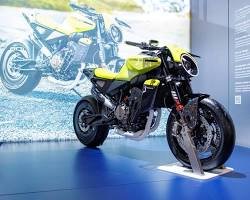
The Evolution of Motorcycle Technology
Motorcycles have come a long way since their invention. From simple petrol-powered machines to advanced electric and hybrid models, technology has continuously reshaped the riding experience. Modern bikes now incorporate sophisticated electronics, advanced materials, and intelligent systems that improve safety, efficiency, and comfort. Riders today benefit from innovations that make motorcycling more enjoyable, sustainable, and accessible.
The Role of Smart Electronics in Modern Bikes
One of the most significant technological leaps in motorcycles is the integration of smart electronics. Digital dashboards, ride-by-wire systems, traction control, anti-lock brakes, and customizable ride modes enhance safety and performance. These electronic systems provide real-time feedback, improve handling, and allow riders to adapt their motorcycles to various conditions, from urban streets to rugged trails.
Advancements in Engine Technology
Engine design has evolved dramatically in recent years. High-performance petrol engines are more efficient, powerful, and environmentally friendly due to advanced fuel injection systems, turbocharging, and emission control technologies. Meanwhile, electric and hybrid motorcycles are gaining momentum, combining instant torque with low emissions, quiet operation, and reduced maintenance. Engine innovations are at the heart of the modern motorcycle revolution.
Lightweight Materials and Structural Innovation
Motorcycle manufacturers are increasingly using lightweight materials to enhance performance, agility, and fuel efficiency. Carbon fiber, aluminum alloys, and reinforced polymers reduce overall weight without compromising strength. Innovative frame designs improve stability, handling, and rider comfort while allowing manufacturers to achieve better power-to-weight ratios. Lighter bikes are easier to maneuver, making them safer and more responsive on both city streets and highways.
Safety Enhancements through Technology
Safety is a key focus in motorcycle innovation. Advanced braking systems, anti-lock braking systems (ABS), cornering ABS, traction control, and stability management help riders maintain control under challenging conditions. Intelligent lighting systems, adaptive headlights, and collision warning sensors further enhance safety. These technologies reduce accident risk and give riders confidence in their machines.
Connectivity and Smart Features
Connected technology has transformed the riding experience. Motorcycles now come with smartphone integration, GPS navigation, Bluetooth communication, and ride-tracking apps. These systems allow riders to monitor performance, plan routes, locate charging stations, and even receive service alerts. Connected features are not only convenient but also enhance safety by providing critical real-time data to riders.
Electric and Hybrid Innovations
The rise of electric and hybrid motorcycles is one of the most significant innovations in recent years. These bikes offer sustainable mobility with zero emissions, quiet operation, and instant acceleration. Battery technology continues to improve, offering longer ranges and faster charging. Hybrid motorcycles combine the benefits of traditional engines with electric assistance, optimizing efficiency and performance. EV technology is pushing the limits of what motorcycles can achieve.
Suspension and Ride Comfort Improvements
Modern suspension systems have evolved to provide a smoother, more controlled ride. Adjustable suspensions, electronic damping, and advanced shock absorbers allow riders to fine-tune their bike’s behavior for different terrains. Comfort innovations also include ergonomic seating, vibration reduction, and rider-friendly controls. These technologies make longer rides less tiring and enhance overall rider satisfaction.
Aerodynamics and Performance Design
Aerodynamic design plays a vital role in motorcycle innovation. Streamlined bodywork, wind-tunnel-tested fairings, and integrated spoilers reduce drag, improve stability, and enhance fuel efficiency. Sports and performance motorcycles particularly benefit from aerodynamic optimization, allowing riders to achieve higher speeds safely while maintaining control. Aerodynamics also improve electric motorcycle efficiency by reducing energy consumption.
Tire Technology and Grip Enhancements
Tires are a critical part of motorcycle performance and safety. Modern tire technology includes advanced compounds, tread designs, and reinforced structures that improve grip, stability, and handling. Innovations like self-healing tires and smart pressure monitoring systems are emerging, ensuring optimal performance in various riding conditions. High-quality tires are essential for maximizing the benefits of advanced suspension and electronic systems.
Braking System Innovations
The evolution of braking systems has significantly improved motorcycle safety. Anti-lock braking systems, combined braking, and electronic brake distribution ensure controlled stopping under diverse conditions. Performance bikes feature advanced systems like cornering ABS and integrated brake controllers. Braking technology works hand-in-hand with traction control and stability systems to reduce accidents and improve rider confidence.
Fuel Efficiency and Eco-Friendly Technologies
Fuel efficiency is a major focus for manufacturers. Advanced engine management systems, lightweight materials, aerodynamic designs, and hybrid technologies contribute to better mileage and reduced emissions. Electric motorcycles take this further, offering zero-emission alternatives while maintaining performance. Innovations aimed at sustainability are increasingly shaping the future of motorcycle design and production.
Lighting and Visibility Technologies
Lighting innovations improve safety and aesthetics. LED headlights, adaptive lighting systems, and daytime running lights enhance visibility for riders and make motorcycles more noticeable to other vehicles. Intelligent lighting adjusts to speed, angle, and conditions, ensuring optimal illumination at all times. These systems not only improve safety but also contribute to modern bike styling.
Advanced Rider Assistance Systems
Rider assistance systems, inspired by automotive technologies, are becoming common in motorcycles. Features like adaptive cruise control, blind-spot monitoring, collision warning, and hill-start assist improve safety and convenience. Advanced systems reduce rider workload, enhance situational awareness, and provide additional security, especially for new or less experienced riders.
Customization and Modular Designs
Motorcycle manufacturers are offering more opportunities for customization. Modular frames, accessory kits, and performance upgrades allow riders to personalize their bikes. Customization enhances the ownership experience, enabling riders to tailor aesthetics, ergonomics, and performance according to their preferences. Modular designs also facilitate easier maintenance and upgrades as technology evolves.
Motorcycle Electronics and Software Integration
Software plays an increasingly important role in modern motorcycles. Engine control units, battery management systems, and ride-mode selection are software-driven. Over-the-air updates allow manufacturers to improve performance, enhance safety features, and add new capabilities without requiring mechanical changes. The integration of electronics and software ensures that motorcycles remain current and capable throughout their lifespan.
The Impact of Artificial Intelligence in Motorcycling
Artificial intelligence is gradually entering the motorcycle industry. AI-powered systems can analyze riding patterns, predict maintenance needs, optimize energy consumption, and even assist in route planning. AI integration has the potential to enhance safety, improve efficiency, and provide a smarter riding experience, creating more responsive and intelligent motorcycles for the future.
Sustainable Materials and Manufacturing Practices
Manufacturers are increasingly adopting eco-friendly materials and sustainable production methods. Recycled plastics, lightweight alloys, and low-emission manufacturing processes contribute to environmental responsibility. Sustainability extends to battery recycling, modular components, and energy-efficient production lines. These innovations reflect the industry’s commitment to reducing its environmental footprint.
Global Trends in Motorcycle Innovation
Innovation in motorcycles is a global phenomenon. Companies across Asia, Europe, and North America are competing to develop cutting-edge technologies. Electric bikes, hybrid models, smart connectivity, and advanced safety systems are shaping the future of riding worldwide. Staying updated on global trends helps riders understand new technology, emerging models, and the direction of the industry.
The Future of Motorcycling Technology
The future promises increasingly intelligent, connected, and sustainable motorcycles. Battery advancements, AI integration, lightweight materials, and safety technologies will continue to improve performance, efficiency, and reliability. Electric and hybrid models will become more widespread, while advanced electronics will enhance convenience, safety, and personalization. Riders can look forward to a more dynamic, eco-friendly, and enjoyable motorcycling experience.
Why Following Industry Updates Matters
Keeping up with the latest news in motorcycle technology allows riders to make informed choices. From new bike launches to software upgrades, battery developments, and infrastructure improvements, being informed ensures that riders can take full advantage of emerging innovations. Knowledge of trends also helps enthusiasts anticipate the next generation of motorcycles and select options that suit their needs.
Conclusion: Riding into a Technologically Advanced Future
Motorcycle technology and innovations are transforming the way we ride. Advanced electronics, engine improvements, connectivity, electric mobility, safety systems, and sustainable design are all shaping the modern riding experience. As technology continues to evolve, motorcycles will become safer, smarter, more efficient, and more enjoyable. Staying informed and embracing these innovations allows riders to experience the full potential of modern motorcycling.