
Electric bikes are everywhere right now. You see them on the roads, you read about them in the news, and if you haven’t already, you probably know someone who has switched from a petrol bike to an electric one. And honestly, it makes sense. Fuel prices keep going up. City traffic keeps getting worse. And the new electric bikes coming out are actually good not just “good for an electric bike,” but genuinely good motorcycles and scooters that can compete with petrol-powered ones on most things that matter.
But here’s the problem. There are so many new electric bikes being announced, launched, and teased right now that it’s hard to keep track of what’s actually coming, when it’s coming, and whether it’s worth waiting for. Every few weeks there’s a new reveal, a new concept, or a new brand entering the market with big promises.
This blog is going to cut through all of that. I’m going to walk you through the most exciting upcoming electric bike launches in a clear, simple way. I’ll tell you what each bike is, what makes it interesting, roughly when to expect it, and whether you should consider waiting for it or just buy what’s available now. I’ll also talk about some broader things happening in the electric two-wheeler space that are worth understanding before you make any buying decisions.
Let’s get into it.
Why 2025 and 2026 Are Such Big Years for Electric Bikes
Before we look at specific models, it’s worth understanding why so many launches are happening right now. It’s not a coincidence.
A few years ago, the electric two-wheeler space in India and globally was dominated by small, slow scooters with limited range. They were okay for short city commutes but couldn’t compete with petrol bikes on performance, range, or highway ability. Most serious motorcycle riders didn’t take them seriously.
That changed fast. Battery technology improved. Motor technology got better. Charging infrastructure started growing. Governments began offering subsidies to make electric vehicles more affordable. And most importantly, established motorcycle brands that had been watching carefully decided it was time to jump in seriously.
The result is that right now, almost every major motorcycle manufacturer in the world either has an electric bike in development or has already announced one. From small Indian startups to global giants like Bajaj, Honda, KTM, and BMW everyone is working on something. The launches that were delayed during the pandemic years are now coming thick and fast, and the next twelve to eighteen months are going to see more significant electric bike launches than any period before.
That’s great news for buyers. More competition means better products and better prices. But it also means the decision of what to buy and when is more complicated than ever.
Ola Electric S1 Series Updates and New Models
Ola Electric has been one of the most talked-about names in Indian electric two-wheelers since it burst onto the scene with its S1 Pro. Love them or have concerns about their after-sales service, you can’t ignore them they’ve pushed the entire category forward and forced other manufacturers to take electric scooters more seriously.
Ola has been working on expanding its lineup significantly. The company has teased multiple new scooters at different price points, with the clear intention of covering the market from affordable entry-level scooters to premium performance models. Their upcoming models are expected to offer improved range targeting real-world numbers above 150 km on a single charge along with better build quality and a more mature software experience.
More importantly, Ola has also announced its entry into electric motorcycles, which is a much bigger deal. The company showed concepts of electric motorcycles that looked serious not just dressed-up scooters with motorcycle styling, but actual performance motorcycles with proper naked bike and sports bike aesthetics. These are expected to arrive in the next year or two, and if they deliver on the promised performance numbers, they could genuinely shake up the market.
The thing to watch with Ola is whether their service network and software reliability improve alongside their product expansion. A great bike means nothing if ownership is frustrating.
Bajaj Chetak and the Broader Bajaj Electric Push
Bajaj is one of the most trusted names in Indian motorcycling, and they’ve been building their electric story carefully and quietly. The Chetak electric scooter was their starting point a premium, well-built scooter with retro styling that earned genuine praise for its quality and reliability, even if its initial range was conservative.
Bajaj has been expanding the Chetak lineup with new variants offering better range and more features, and these updates have made the Chetak much more competitive. But the bigger story is what Bajaj is doing with Pulsar.
The electric Pulsar is one of the most anticipated upcoming launches in Indian two-wheelers. The Pulsar name carries enormous weight in India it’s been one of the best-selling motorcycle nameplates for over two decades, and millions of Indian riders have grown up with it. An electric Pulsar would bring that trust and brand recognition to the electric motorcycle space in a way that no existing product has managed.
Details are still limited, but the electric Pulsar is expected to target the 125cc to 150cc petrol Pulsar segment in terms of performance and price making it accessible to a very large group of buyers who are currently on petrol bikes and considering the switch. If Bajaj prices it smartly and backs it with their established service network, it could be one of the biggest launches of the next year.
TVS iQube and What Comes Next
TVS has been one of the most consistent performers in the electric scooter space. The iQube has steadily improved with each new version, and it now stands as one of the most complete electric scooters you can buy in India in terms of real-world performance, range, and after-sales support.
But TVS isn’t stopping there. The company has been working on expanding its electric lineup into new segments. There are strong indications that TVS is developing electric products in the higher-performance motorcycle category, building on its association with BMW Motorrad and its racing experience.
TVS is also expected to bring more affordable electric options to the market to compete with the budget segment that’s currently dominated by smaller brands. The combination of their manufacturing quality, dealer network, and engineering capability makes them one of the most credible players in whatever they announce next.
Hero Vida and Hero’s Electric Ambitions
Hero MotoCorp is the largest two-wheeler manufacturer in the world by volume, and when they move seriously into electric, it matters. Their Vida V1 scooter was their opening statement in the premium electric scooter segment, and while it was a decent product, it was clear that Hero was still learning the electric game.
What’s coming next from Hero is much more significant. The company has invested heavily in electric vehicle technology, partnered with global technology providers, and signaled clearly that electric two-wheelers are central to their future strategy.
Upcoming Hero electric models are expected to cover a much wider range of segments from affordable everyday scooters to commuter motorcycles. Hero’s real strength is their distribution network, which reaches into small towns and rural areas that most electric brands haven’t touched yet. When Hero brings affordable, reliable electric bikes to those markets with proper after-sales support nearby, it could accelerate electric adoption in India dramatically.
Watch for Hero announcements over the next six to twelve months they’ve been quiet but busy, and what they reveal is likely to surprise people.
Honda’s Electric Entry: The Activa Electric and Beyond
Honda has been careful and deliberate about entering the electric two-wheeler space in India. They’ve watched the market develop, learned from what’s happened with other players, and are now preparing to launch with the weight of arguably the most trusted brand in Indian two-wheelers behind them.
The electric Activa is the big one. The Activa is India’s best-selling scooter it has been for years. It’s the default choice for millions of Indian families because of its reliability, easy availability of service, and the trust that comes with the Honda name. An electric Activa brings all of that brand trust into the electric segment.
Honda has confirmed that the electric Activa is coming, and the expectation is that it will be priced competitively, offer genuine real-world range suitable for daily commuting, and be backed by Honda’s vast service network across India. It won’t be the most exciting electric scooter on paper — Honda rarely does exciting. But it could be the most important one, because it will bring many fence-sitters into the electric category for the first time.
Beyond the Activa, Honda has also shown electric motorcycle concepts globally. Their electric CB series concepts in particular have been exciting to motorcycle enthusiasts suggesting that the classic CB aesthetic could eventually be applied to an electric powertrain. These are further away, but they’re coming.
KTM and Husqvarna Electric Motorcycles
KTM has been working on electric motorcycles for a while, and in partnership with Bajaj (which owns a significant stake in KTM), some of these are expected to reach Indian shores. KTM’s approach to electric is typically aggressive they’re not interested in making mild, sensible commuter bikes. They want performance.
The Freeride E-XC is KTM’s current electric off-road bike, but it’s the road-going electric motorcycles that are generating the most interest. KTM has shown concepts that suggest proper naked street bikes and sports motorcycles with electric powertrains, and these are expected to be more than just concepts in the next couple of years.
Husqvarna, which shares its platform with KTM and also has a Bajaj connection for the Indian market, has shown the E-Pilen concept an electric version of their stylish Svartpilen/Vitpilen streetfighter design. If this reaches production, it would be one of the most stylish electric motorcycles available at an accessible price point.
Royal Enfield’s Electric Future
Royal Enfield is one of the most beloved motorcycle brands in India, and for good reason. Their bikes have character, heritage, and a devoted community. But they’ve been slower than most to talk publicly about their electric plans.
That changed when Royal Enfield unveiled the Flying Flea concept an electric motorcycle inspired by the tiny paratrooper bike that British soldiers used during World War II. The concept was beautiful — a compact, stylish electric motorcycle with a retro design that felt very much in line with Royal Enfield’s brand identity.
The Flying Flea is confirmed for production, and Royal Enfield has been open about the fact that this is just the beginning of their electric journey. The production version is expected within the next couple of years. Given how much passion the RE community has for the brand, an electric Royal Enfield that looks right and performs well could be a massive success.
The key question is whether Royal Enfield can bring the same feeling — that rumble, that character, that sense of occasion to an electric motorcycle. That’s a hard thing to replicate without an engine. But if anyone can do it through design and experience, Royal Enfield has the brand strength to try.
Ultraviolette F77 and the Performance Electric Segment
Ultraviolette is a Bangalore-based startup that has been building something genuinely impressive. The F77 is their electric sports motorcycle, and it’s one of the few electric bikes in India that can genuinely be called a proper motorcycle not a glorified scooter, not a commuter with a battery, but an actual performance motorcycle with real performance numbers.
The F77 claims a top speed of over 150 km/h and real-world range that’s competitive for its class. It looks aggressive and purposeful exactly what you’d want from a sports motorcycle. And the company has been working on improving its production capacity and service network to support growth.
Ultraviolette is also working on new models and variants, including options at different price points to make the brand more accessible. As a startup competing against giant manufacturers, they have challenges — but what they’ve built already is impressive, and what’s coming next from them is worth following.
Ather Energy’s Roadmap
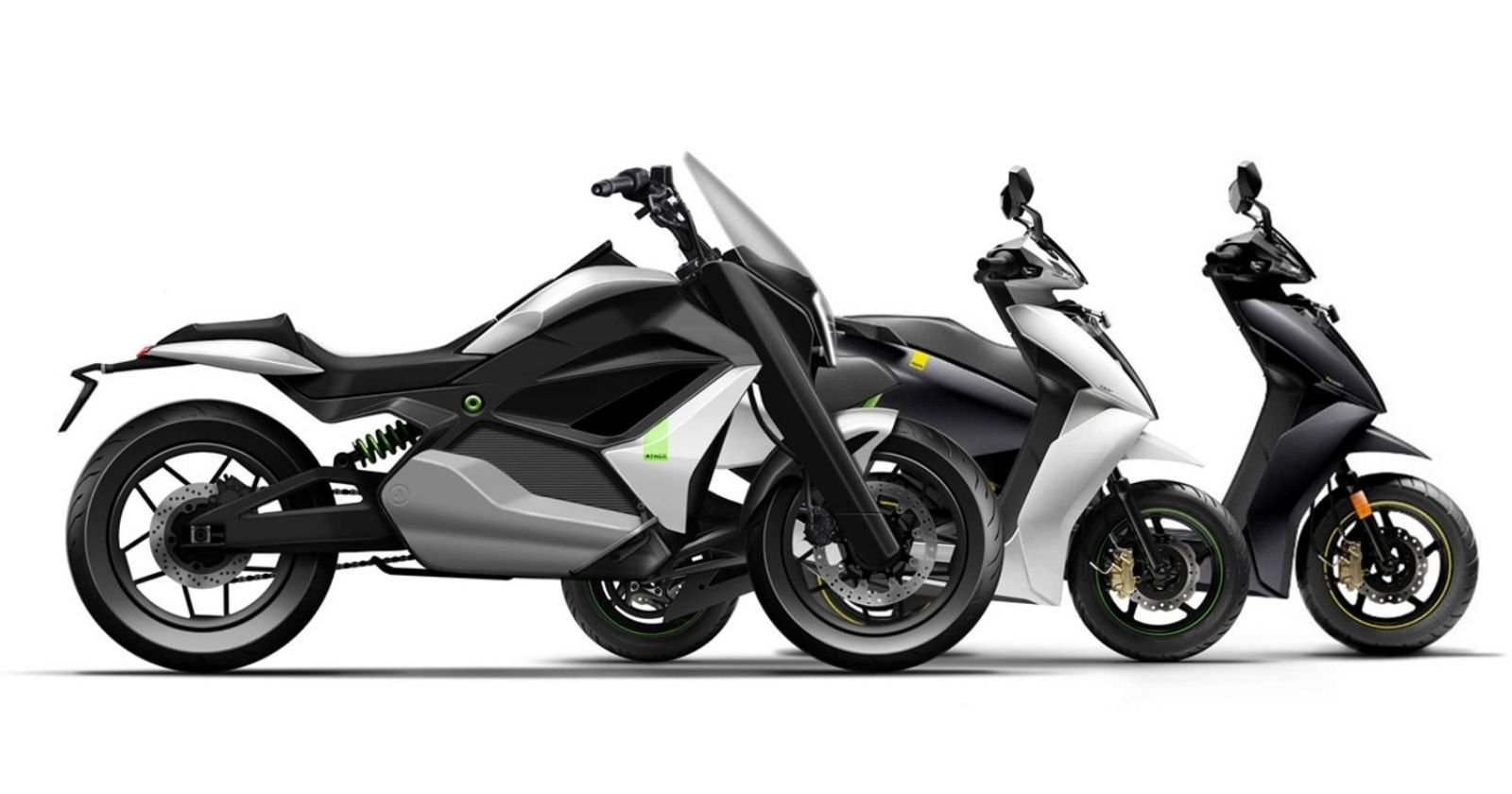
Ather Energy has been one of the most respected names in Indian electric scooters since they launched. Their attention to quality, their software experience, and their approach to building their own charging network set them apart early on. The Ather 450X became a benchmark that competitors measured themselves against.
Ather’s upcoming products are expected to push the boundaries further better range, faster charging, and possibly new form factors beyond their current scooter lineup. The company has also been working on making their products more accessible to a wider price range, which has historically been a gap in their lineup.
What Ather does well is combine engineering quality with software smarts. Their bikes feel connected and refined in a way that many competitors haven’t matched yet. Whatever they launch next will be worth paying attention to.
Simple Energy and the Mid-Range Competition
Simple Energy is another Indian startup that’s been working to establish itself in the competitive electric scooter space. Their Simple One scooter made headlines when it was announced for its claimed range and performance at a competitive price point.
The real challenge for Simple, like many startups, has been scaling production and delivery to meet demand. But the company has been working through those growing pains and is expected to expand its lineup with new models that compete more directly in the mainstream volume segments.
The mid-range electric scooter space roughly between Rs 1 lakh and Rs 1.5 lakh — is where the real volume battle is being fought right now, and Simple is one of several companies trying to win that fight.
Global Launches Worth Knowing About
It’s not just Indian brands making moves. Several global manufacturers are launching electric bikes that may reach India or influence what Indian riders can expect.
Harley-Davidson’s electric division LiveWire has been working on more affordable electric motorcycles under the Del Mar and other sub-brands. These are priced for Western markets but signal where premium electric motorcycles are heading globally.
BMW Motorrad has the CE 02 and CE 04 electric scooters already available in some markets, and their electric motorcycle roadmap suggests more performance-oriented models are coming. Given their partnership with TVS for the Indian market, some of these technologies may trickle down to products available here.
Zero Motorcycles, an American electric bike company, has been available in India in limited capacity and their lineup which covers everything from naked streetfighters to adventure bikes — shows what’s possible with mature electric motorcycle technology.
What Should You Actually Wait For?
This is the practical question. Given everything that’s coming, should you wait before buying an electric bike?
The honest answer depends on what you need. If you need a bike right now for daily commuting, the current options — from Ather, TVS, Ola, and Bajaj Chetak — are genuinely good. You don’t need to wait for something that might come in twelve months if your current transport situation is urgent.
But if you can wait six to twelve months, the market is going to look meaningfully better. More competition will push prices down. Battery technology is improving steadily, which means better range for the same price. And several of the launches mentioned in this blog — particularly the electric Pulsar, the electric Activa, and whatever Royal Enfield brings — could be significantly better value than what exists today.
If you’re specifically interested in electric motorcycles rather than scooters, waiting makes even more sense. The electric motorcycle segment is currently very limited in India, but it’s about to get a lot more crowded with serious options.
Things to Think About When Buying an Electric Bike
As you watch these launches, a few things are worth keeping in mind beyond just the bike itself.
Service network matters enormously. A great electric bike from a brand with poor service reach becomes a nightmare when something goes wrong. Before buying any electric two-wheeler, research how many service centers the brand has in your city and how their existing customers rate the ownership experience.
Real-world range is different from claimed range. Every manufacturer claims a range number that’s calculated under ideal conditions. The real-world number in actual traffic, at normal speeds, with your weight on the bike is typically 20 to 30 percent lower. Factor that in when evaluating whether a bike’s range works for you.
Charging infrastructure in your situation matters. Do you have a place to charge at home? Is there a fast charger near your workplace? The convenience of electric ownership depends heavily on this. If you live in an apartment without a dedicated parking space with a power outlet, charging logistics need to be figured out before you buy.
Resale value for electric two-wheelers is still uncertain. The category is young, and it’s not clear how well used electric bikes will hold their value as battery health degrades over time. This isn’t a reason not to buy one — petrol bikes depreciate too — but it’s something to be aware of.
The Bigger Picture
Stepping back from specific models, what’s happening in electric two-wheelers right now is genuinely exciting. A few years ago, “electric bike” meant a slow, short-range, compromise product. Today it means something completely different — real performance, real range, connected technology, and in many cases, a better daily riding experience than a comparable petrol bike.
The upcoming launches in the next twelve to eighteen months are going to accelerate this shift further. When trusted brands like Honda, Bajaj, Hero, and Royal Enfield fully commit to electric with their most important products, the mainstream tipping point arrives. That’s what’s about to happen.
For riders, this is a great time to be paying attention. The decisions you make in the next year or two about when to buy, what to buy, and which brands to trust will shape your riding life for the next several years. Stay informed, watch the launches carefully, test ride whatever you can before buying, and don’t let marketing hype replace your own judgment.
The electric age of motorcycling is here. And the best of it is still just arriving.
Keep an eye on this space we’ll be updating this blog as new launches are confirmed and more details emerge. If you have a specific upcoming electric bike you want us to cover, drop it in the comments.